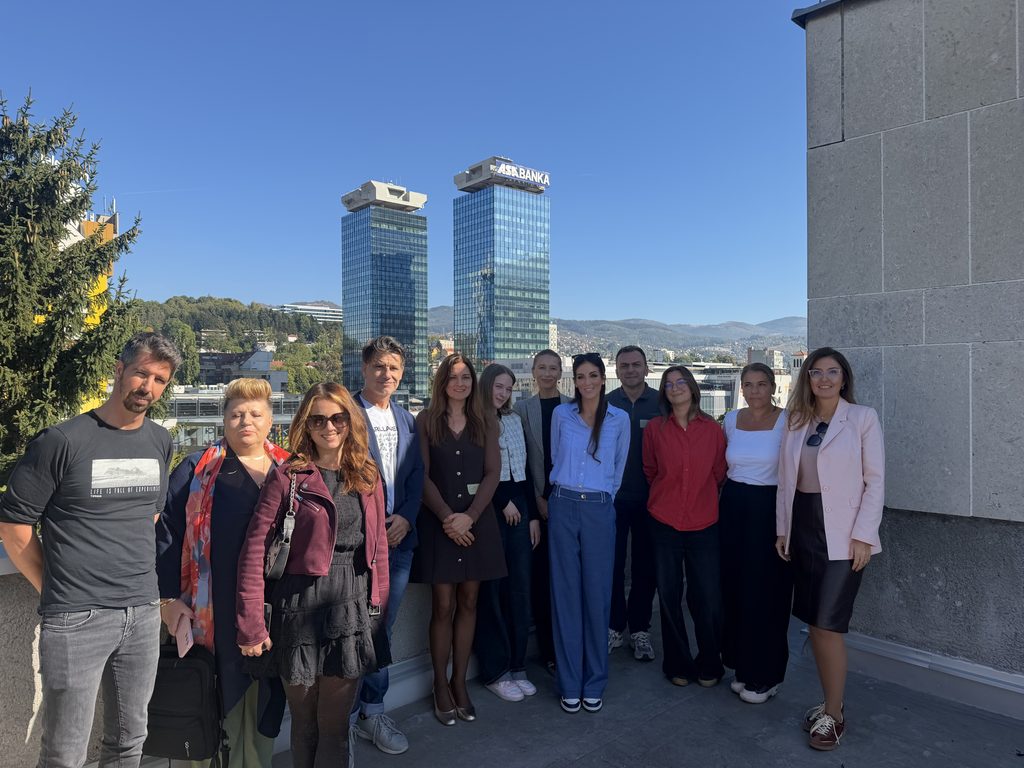
The WE-MIND consortium brought academic staff for a two-day Train-the-Trainers Workshop as part of the WP2 work activities, organised at the University of Sarajevo, Faculty of Philosophy.
The training was delivered by trainers from IRIS-CC / UVic-UCC with participants joining from University of Sarajevo, Sarajevo School of Science and Technology (SSST), ICBMitrovica, and RIT Kosovo. This diverse group provided an excellent opportunity to exchange perspectives and experiences across different higher education institutions and contexts.
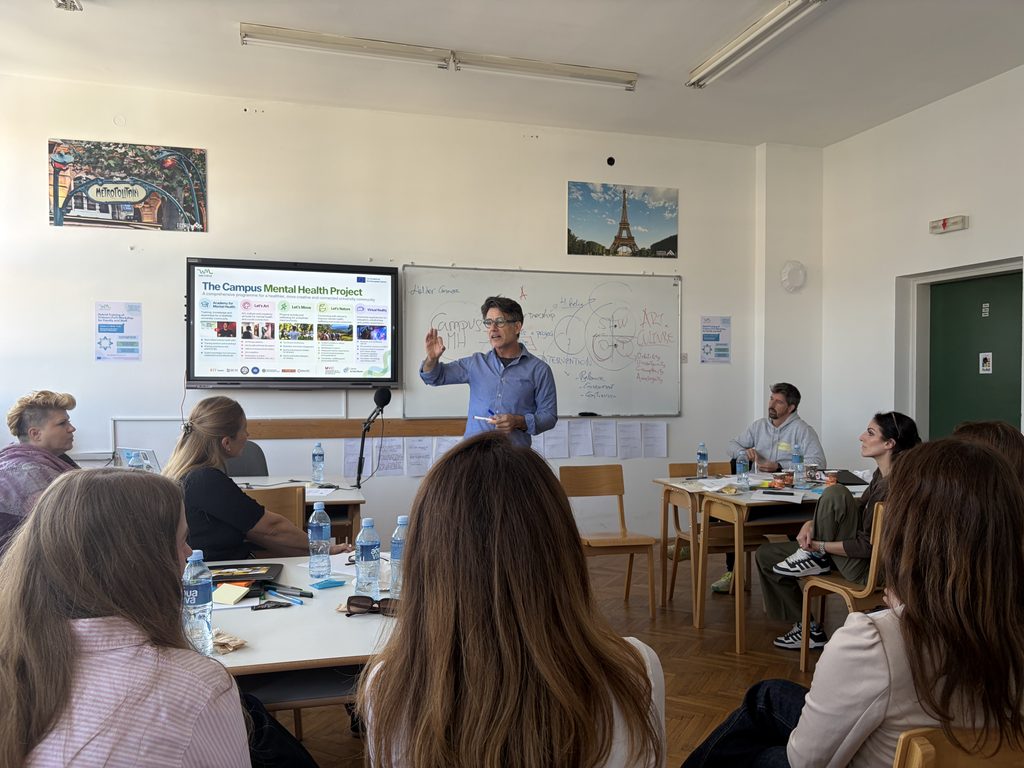
The workshop followed the themes “From Evidence to Understanding” on Day 1 and “From Understanding to Action” on Day 2, combining evidence-based input, practical tools, case studies, group discussions, and interactive activities.
Participants explored a wide range of topics, including:
🔹 Findings from the needs assessment and perspectives of students and faculty
🔹 Recognition of mental health difficulties and the importance of early support
🔹 Appropriate first responses, referral pathways, and professional boundaries
🔹 Lifestyle factors and their relationship with mental health
🔹 Perfectionism, rigidity, anxiety, stress, burnout, crisis, and trauma-related difficulties
🔹 Equality, inclusion, non-discrimination, dignity, participation, and respect for diversity
🔹 Practical approaches and tools that can be integrated into university environments
Throughout the workshop, case-based learning and interactive activities provided opportunities to translate concepts into realistic university situations—from recognising changes in a student's behaviour and functioning to identifying when a situation requires specialised support.
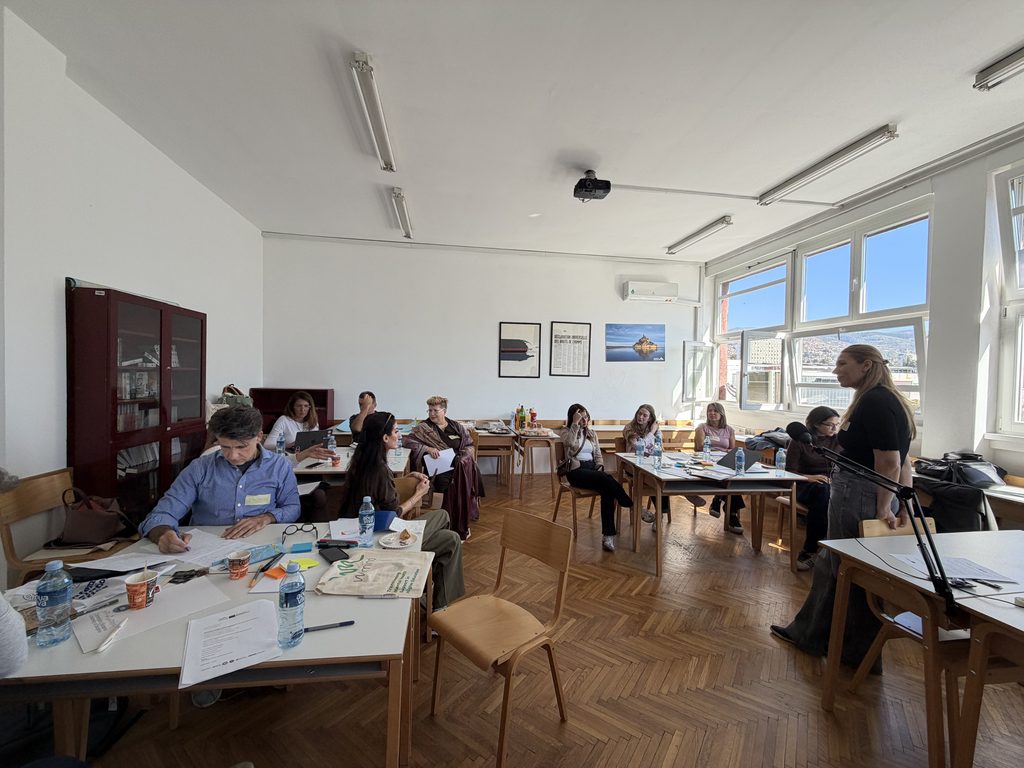
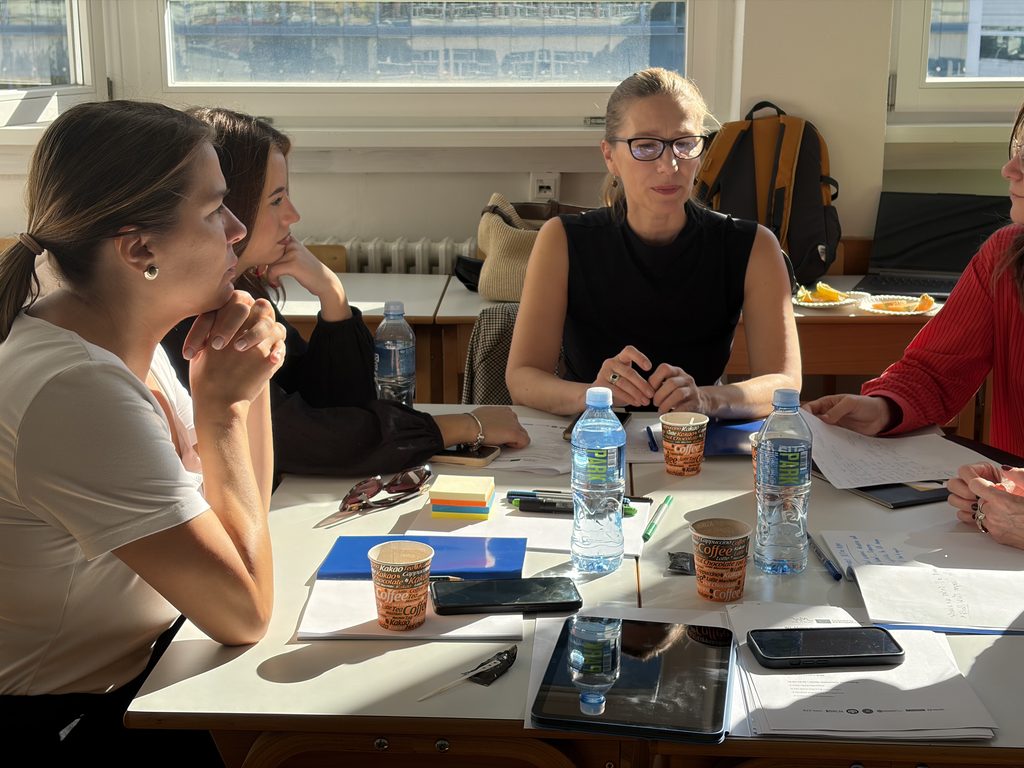
The final Train-the-Trainer activity brought the learning together. Working in groups, participants developed training programmes for their own university contexts, considering who they would train, what they would teach, which cases and WE-MIND tools they would use, and what participants should be able to do afterwards.
A key principle throughout the training was the importance of understanding the role and boundaries of university staff: trainers are not therapists. Their role is to recognise, respond appropriately, connect, and support.
The workshop represents another important step in the WE-MIND project's efforts to strengthen the capacity of higher education institutions and contribute to more supportive, inclusive, and responsive university environments for students.
#HigherEducation #InclusiveEducation #DiversityAndInclusion #WEMIND