Steering Committee
Oversees implementation, resolves any potential conflicts, and makes sure that the project aligns with project goals.
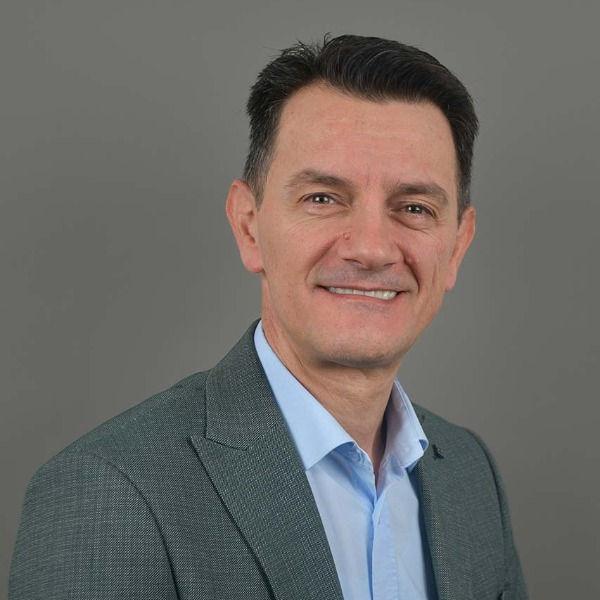
Dr. Leandrit Mehmeti
Associate Dean and Assistant Professor at RIT Kosovo. Dr. Leandrit Mehmeti holds a master’s degree and a Ph.D. from the University of South Australia and has previously held academic and administrative positions at the University of South Australia and the South Australian Institute of Business and Technology, where he served as Head of the Diploma of Arts Department. He teaches courses in political science, communication, and writing and supervises Capstone projects. His research expertise includes security studies, democratization, post-conflict transition, governance, humanitarian aid and intervention, and European Union integration policies and perspectives. Dr. Mehmeti also serves as Editor-in-Chief of the Journal of Peace, Conflict and Security Studies, leading the publication of peer-reviewed research on peacebuilding, conflict resolution, and security policy.
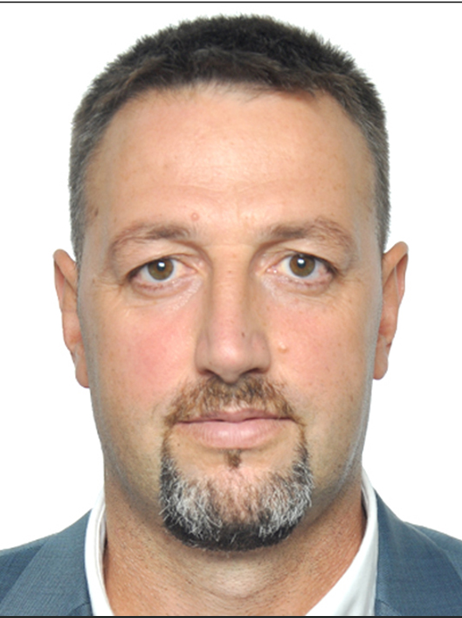
Prof. Dr. Ekrem Gjokaj
Prof. Dr. Ekrem Gjokaj is Vice-Rector for International Cooperation, Projects, Innovation and Scientific Research at the Public International Business College Mitrovica (IBCM), Kosovo. An economist, policy expert, and researcher specialising in agricultural economics, rural development, and European integration, he brings more than 25 years of executive leadership, academic excellence, and international development experience. He is recognised for bridging academia, government, and international development practice through interdisciplinary, innovation-driven, and results-oriented approaches. His work focuses on strengthening higher education, advancing agricultural and rural development policies, promoting knowledge transfer, research excellence, and international partnerships, and supporting the sustainable transformation of agricultural systems and rural economies. Widely recognised for his expertise in agricultural policy, institutional development, and EU integration, he combines strategic vision with extensive practical experience in designing and delivering impactful reforms, evidence-based policies, and international development programmes.

Dr. Belma Ramić-Brkić
Dr. Belma Ramić-Brkić is an Associate Professor at the University of Sarajevo School of Science and Technology (SSST). She received her PhD from the University of Warwick in the UK, and her MSc (2009) and BA (2006) with honors from the Faculty of Electrical Engineering, University of Sarajevo. Her research interests include serious games, digitization of cultural heritage, computer vision, data science and the application of information and communication technologies in education, with a special emphasis on early childhood development. She has published a large number of scientific papers in renowned journals and conference proceedings and is an active member of the academic community, including membership in editorial boards and review work for numerous journals and scientific meetings. Dr. Ramić-Brkić also has extensive experience as a project manager and consultant in the field of computer science. She has been awarded numerous recognitions for her work, including the Faculty Excellence Award (2022) and the Excellence in Research Award (2019), which acknowledge her significant contributions to the field of computer science and information technology.
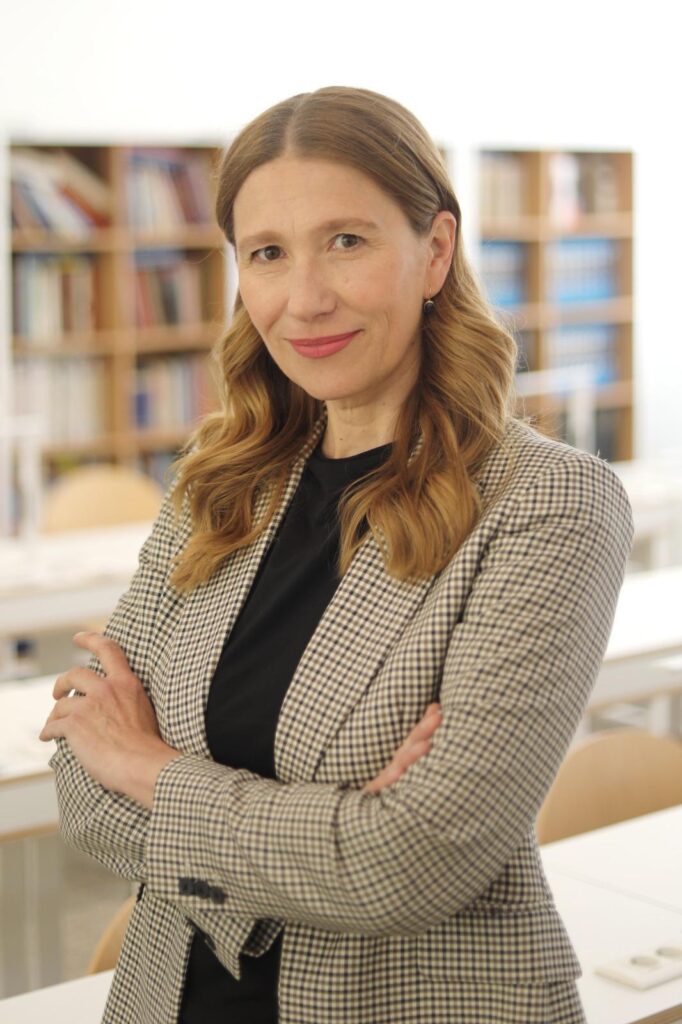
Dr. Minka Džanko
Dr. Minka Džanko is an Associate Professor at the Department of German Language and Literature, Faculty of Philosophy, University of Sarajevo. She earned her Ph.D. in Conversation Analysis from the University of Mannheim, Germany, and her research focuses on conversation analysis and ethnographic discourse analysis, particularly linguistic and interactional asymmetries in institutional settings, such as medical interactions. Her work aims to improve communication practices that foster mutual understanding and reduce misunderstandings. Since 2022, she has served as Vice-Dean for Scientific Research, International Academic Cooperation and Publishing at the Faculty of Philosophy, University of Sarajevo, and has received two University of Sarajevo awards for scientific achievements. She is involved in several international projects, including EU Peace, UNESCO’s Education for Peace project, Dialogue for Future 3 (DFF3), and the Erasmus+ Capacity Building project WE-MIND. She has presented her research at numerous national and international scientific conferences.

Assoc.Prof. Priv.Doz. Dr. Nilufar Mossaheb
Assoc.Prof. Priv.Doz. Dr. Nilufar Mossaheb, M.Sc. is the interim head of the Clinical division of Social Psychiatry at the Medical University of Vienna. She is a consultant in Psychiatry and Psychotherapeutic Medicine and holds a masters degree in Gender medicine. She founded Austria's first specialized first episode psychosis inpatient unit and is the head of the early detection outpatient clinic as well as the First Episode and Early Psychosis Assessment research team. Her focus lies in prevention and early detection/intervention of mental health problems both on clinical and on psychosocial and structural levels.

António José Pereira da Silva Marques
António José Pereira da Silva Marques full Professor with postdoctoral training, a PhD, and habilitation in Psychology, he also holds a postgraduate certification in AI-Leading Innovation in Healthcare from Harvard Medical School. He has occupied several senior leadership positions across healthcare and higher education, most recently serving as Vice-President of the Polytechnic University of Porto, with responsibility for education, innovation, and culture – a role in which he oversaw the Porto Innovation Center, Science and Technology Park, Startup Porto, and Porto Design Factory. At the national level, he was a member of the National Council for Pedagogical Innovation in Higher Education (CNIPES) and served on the Executive Board of INOV-NORTE – Centre of Excellence for Pedagogical Innovation in Northern Portugal. He currently serves as Director of the Psychosocial Rehabilitation Laboratory, Coordinator of P.PORTO's Centre of Expertise in Virtual and Augmented Reality – VR FACTORY, and board member of the Centre for Research and Artificial Intelligence in Mental Health. His academic work centres on digital mental health. He led the development of both the bachelor's and master's degree programmes in Digital Health, has coordinated numerous research and development projects in the field, and has supervised an extensive range of master's dissertations and doctoral theses.
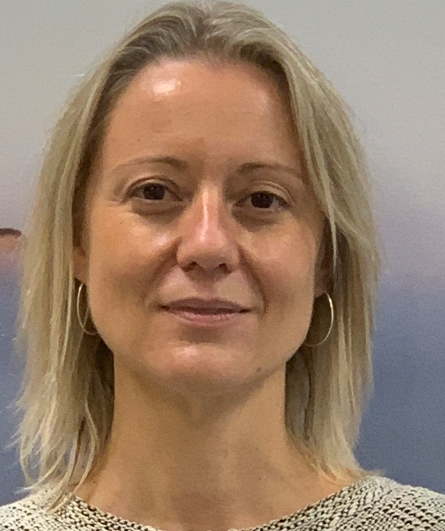
Dr. Àurea Autet
Dr. Àurea Autet is Director of Mental Health at the Althaia Foundation (Xarxa Assistencial Universitària de Manresa) and a psychiatrist with extensive expertise in community mental health, autism, intellectual disabilities, and child and adolescent psychiatry. She also serves as Coordinator of the Postgraduate Course in Mental Illness and Behavioral Alterations in Intellectual Disability at the University of Vic – Central University of Catalonia (UVic-UCC) and collaborates as a professor in Human Behavior in the Medicine degree. Since leading Althaia's Mental Health Division from 2018, she has promoted innovative, community-based and person-centred models of care that emphasize inclusion and reduce unnecessary medicalization. Her work combines clinical leadership, teaching, and research to advance mental health services for people with complex needs. In recognition of her professional excellence and commitment to patient care, she received the Professional Excellence Award from the Barcelona Medical Association (COMB).
Management Committee
Oversees project implementation, coordination, and the planning of all project activities.
Project managers from the coordinating and partner institutions review project progress, identify potential obstacles, and provide guidance on quality assurance and sustainability considerations.
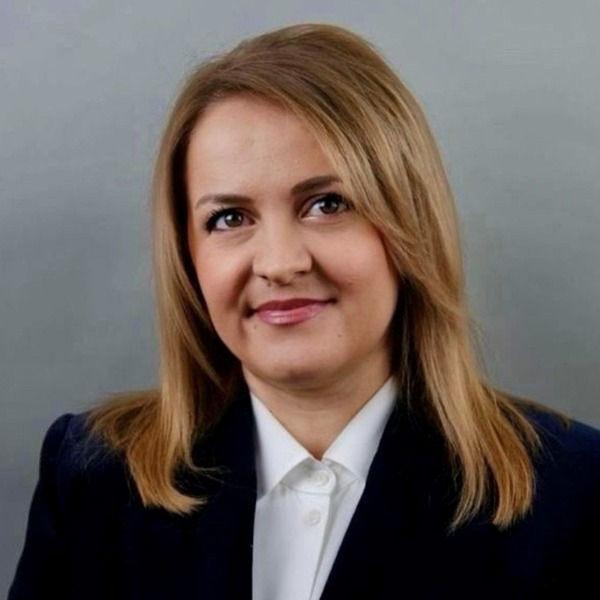
Dr. Linda Ziberi
Dr. Linda Ziberi is the Head of the Individualized Program and Assistant Professor at RIT Kosovo. She holds a Ph.D. in Communication and Culture from Bowling Green State University and an M.A. in Applied Communication from Indiana University. Her teaching and research expertise encompasses intercultural, gender, health, business, and technical communication, with an emphasis on health discourses, media representation, instructional communication, and agentic pedagogy. She is the recipient of RIT’s 2026 Edwina Award, recognizing her contributions to enhancing gender diversity and inclusiveness at the university. Dr. Ziberi is the Primary Project Coordinator of the WE-MIND project, leading the international consortium and overseeing the project’s implementation, partner coordination, and delivery of activities, with the goal of strengthening mental health literacy, institutional capacity, and digital support systems in higher education.
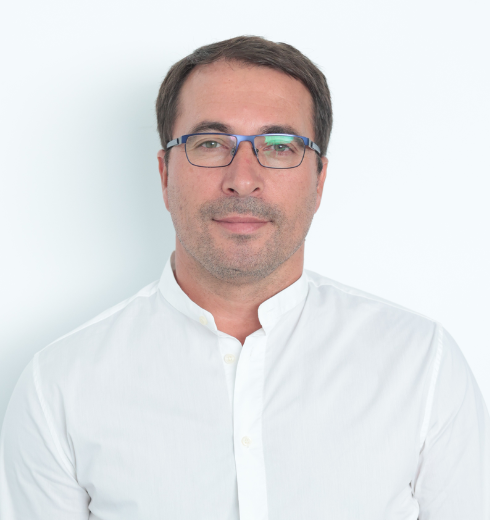
Dr. Bujar Gallopeni
Dr. Bujar Gallopeni – WE-MIND Project Manager is an Assistant Professor of Psychology and Behavioral Sciences at the Department of Psychology of the Faculty of Social Sciences at Public International Business College Mitrovica (IBCM). Dr. Bujar Gallopeni is an academic, consultant, and researcher specializing in behavioral sciences, organizational psychology, education development, and social protection. He holds a PhD in Psychology from the University of Sheffield and an MSc in Work and Organizational Psychology from Maastricht University. He currently serves as Vice-Rector for Academic, Quality, and Student Affairs at the International Business College Mitrovica (IBCM), where he also teaches psychology courses, organizational behavior, research methods, and project evaluation, applying research-driven, project-based, and problem-based learning approaches. Alongside his academic role, Dr. Gallopeni has led and contributed to numerous international development and research projects with organizations including the EU, UNDP, UNICEF, OSCE, USAID, the Council of Europe, the British Council, ADA, Save the Children, Helvetas, and Caritas Kosova. His work focuses on education reform, social inclusion, labor market development, and research capacity building. He has authored numerous research publications and policy reports, played an important role in Erasmus+ higher education initiatives.
Dr. Belma Ramić-Brkić
Dr. Belma Ramić-Brkić is an Associate Professor at the University of Sarajevo School of Science and Technology (SSST). She received her PhD from the University of Warwick in the UK, and her MSc (2009) and BA (2006) with honors from the Faculty of Electrical Engineering, University of Sarajevo. Her research interests include serious games, digitization of cultural heritage, computer vision, data science and the application of information and communication technologies in education, with a special emphasis on early childhood development. She has published a large number of scientific papers in renowned journals and conference proceedings and is an active member of the academic community, including membership in editorial boards and review work for numerous journals and scientific meetings. Dr. Ramić-Brkić also has extensive experience as a project manager and consultant in the field of computer science. She has been awarded numerous recognitions for her work, including the Faculty Excellence Award (2022) and the Excellence in Research Award (2019), which acknowledge her significant contributions to the field of computer science and information technology.

Emina Sinanović, MA
Emina Sinanović, MA of Psychology, is a Teaching Assistant at the Department of Psychology, Faculty of Philosophy, University of Sarajevo, Project Manager for the WE-MIND project at the University of Sarajevo, Coordinator of Counselling Services for Students, and a member of the Professional Team of the Student Support Office. She earned her Master's degree in Psychology from the University of Sarajevo and is an integrative psychotherapist. Her professional work focuses on social psychology, student mental health, psychological counselling, psychotherapy, and higher education. Her research interests include mental health, help-seeking behaviour, social psychology, and personality psychology, with a particular focus on improving access to psychological support for university students.

Assoc.Prof. Priv.Doz. Mag. Dr. Michaela Wagner-Menghin
Assoc.Prof. Priv.Doz. Mag. Dr. Michaela Wagner-Menghin, PhD, is clinical and health psychologist at the Medical University of Vienna, University Clinic for Psychiatry and Psychotherapy, Division of Social Psychiatry. She earned her PhD from Maastricht University, focusing on self-regulated learning of communication skills. She specialises in medical and health professions education and in research on how attitudes toward illness, treatment, and help-seeking, together with health and well-being literacy, influence students’ behavioural intentions and interactions with patients.

Dr. Paula Carvalho
Dr. Paula Carvalho has been a project manager at ISCAP–P.Porto since 2010, overseeing the administrative and financial management of nearly 100 national and international projects funded under programmes such as Horizon Europe, ERASMUS+ and ESF. She has successfully coordinated project audits and contributed to the development and translation of outputs in several international initiatives.
In addition, Paula Carvalho is an Invited Assistant Professor at ISCAP–P.Porto, where she teaches translation and English language and culture. She had been an invited lecturer at the same institution from 2009 to 2021. Her research focuses on automated translation, text analysis, summarisation, and simplification using generative artificial intelligence and corpus-based approaches. She holds a Master’s Degree in Multimedia, and in 2021, she was awarded the Professional Qualification of Specialist with the work “Considerations on the Ever-Increasing Relevance of Technical Competences in Translation: The Localization of Digital Content.” She is currently pursuing a PhD in Language Sciences at the University of Minho.
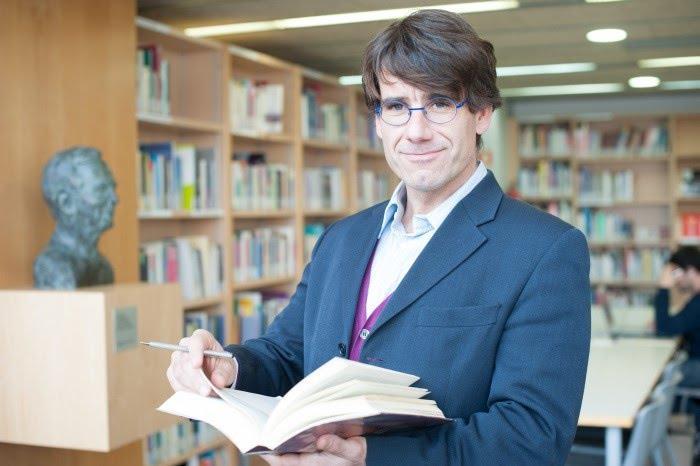
Dr. Salvador Simó
He is Associate Director of the Chair of Mental Health at the University of Vic – Central University of Catalonia (UVic-UCC). An occupational therapist, researcher, and international consultant, he has led more than 40 participatory research and innovation projects and contributed to over 10 European initiatives. His work focuses on mental health, arts and culture, social and cultural entrepreneurship, and community-based innovation, supporting organisations and public institutions in the design, implementation, and evaluation of transformative programmes. He is internationally recognised for promoting interdisciplinary approaches that connect health, culture, education, and social innovation to improve wellbeing and social inclusion.
Quality Assurance Committee
Reviews project progress, identifies potential obstacles, and provides guidance on quality assurance and sustainability considerations.

Dr. Albina Balidemaj
Dr. Albina Balidemaj is President and Dean of Faculty at RIT Kosovo and a co-founder and co-director of the RIT Kosovo Research Center for Human Rights. She holds a Ph.D. in International Community and Family Studies from Clemson University, and a M.Sc. in Clinical Psychology from the University of Minnesota. A clinical psychologist trained in community mental health, she has extensive expertise in migrant and refugee mental health, trauma, intergenerational trauma, acculturation, ethnic identity, human trafficking, and public and global health. She has also conducted research at Yale University on the effects of intergenerational trauma on the mental health of Albanian communities. Within WE-MIND, Dr. Balidemaj provides institutional and academic leadership and contributes her clinical and regional expertise to the project's research, capacity-building activities, and development of inclusive and context-sensitive mental health support for students.
https://www.rit.edu/kosovo/directory/axbcada-albina-balidemaj
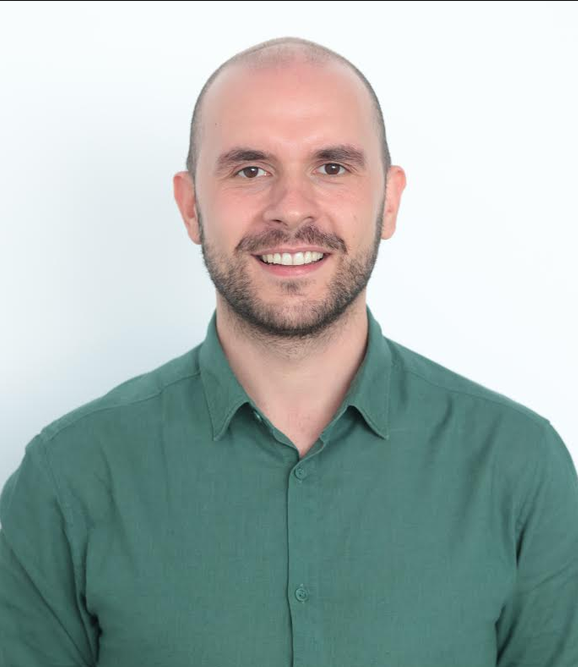
Flamur Abazaj, MA
Flamur Abazaj is a lecturer and the Dean of the Faculty of Social Sciences at the Public Administration and Welfare department at the International Business College Mitrovica where he teaches a variety of classes including communications, and public sector and education related classes, and a PhD Candidate at the University of Ljubljana. He has extensive knowledge on the higher education sector in Kosovo, with his engagement in the Quality Assurance and Accreditation field. Throughout his experience he has been involved in a variety of local and international projects and programmes, in several different roles. He holds his Bachelor Degree in Environmental and Agricultural Management from the International Business College Mitrovica, and his Master degree at the Anglia Ruskin University in Education with a focus on Quality Assurance in Higher Education and Educational Attainment. He also has experience from Accreditation and Quality Assurance Systems in several countries.
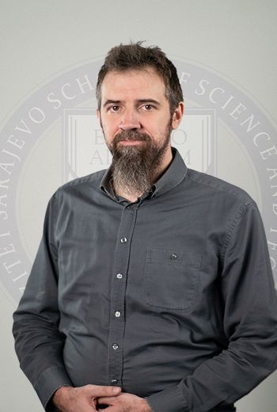
MSc, Bojan Mijatović
MSc, Bojan Mijatović is a lecturer and senior teaching assistant at the Faculty of Game Design and Development and Sarajevo Film Academy, Sarajevo School of Science and Technology. He is doing PhD in Virtual Reality at the University of Maribor, Faculty of Electrical Engineering – Media Communications. He is involved with SSST through Sarajevo Film Academy from 2013 where he first worked as Lab coordinator and Teaching assistant afterwards. Bojan worked in different roles from production assistant, cinematographer, sound recordist and equipment coordinator during SFA times. Working now in GDD, Bojan teaches in couple of courses and does his research in video games and VR games. Working with his research group SGG (Sarajevo Graphics group) as game director, he worked on numerous VR serious games projects, which are installed in different museums around Bosnia and Herzegovina. These projects promote gamification in cultural heritage and bridge game design with education and training. Most notable projects are: SHELeadersVR game, Trebinje Fortresses VR, Battle of Kozara VR, Battle of Neretva VR, Old Mostar Bridge cliff diving VR, etc.
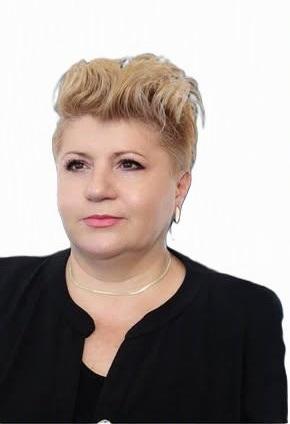
Prof. Dr. Sibela Zvizdić
Prof. Dr. Sibela Zvizdić is a Full Professor and Head of the Department of Psychology at the Faculty of Philosophy, University of Sarajevo. She graduated psychology in 1996 from the Department of Psychology, Faculty of Philosophy, in Sarajevo. She completed her Master’s degree at the Department of Psychology, Faculty of Philosophy, University of Zagreb (Croatia), and was awarded the academic degree of Master of Social Sciences in the scientific field of Psychology. She also completed a specialisation in Traumatic Psychology at the Department of Psychology, Faculty of Philosophy, University of Sarajevo. She obtained her PhD in Psychology from the same institution. She is currently undertaking training in Gestalt psychotherapy. Since 1996, she has been employed at the Department of Psychology, where her teaching, research, and professional work focus on educational psychology, motivational and social processes, mental health, prevention, and academic resilience, particularly among children, adolescents, and students. Her professional interests also include the prevention of behavioural disorders and procrastination in both academic and everyday contexts. She has led and participated in numerous national and international research and professional projects, published extensively in scientific and professional journals, and presented her work at a wide range of conferences, congresses, and symposia.

Assoc. Prof. Priv.Doz. Dr. Nestor Kapusta
Assoc. Prof. Priv.Doz. Dr. Nestor Kapusta, is a medical doctor and holds an interdisciplinary Master’s degree in Mind, Language, and Embodied Cognition from the University of Edinburgh. He holds a PhD in Psychiatry from the University of Oxford. He Associate Professor at the Medical University of Vienna, leading the Suicide Research Interest Group.
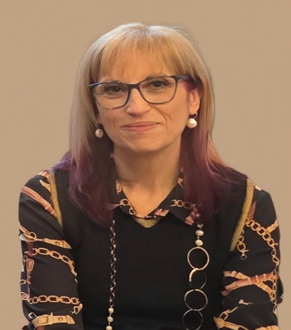
Dr. Isabel Ardions
Dr. Isabel Ardions – Professor at ISCAP-P.PORTO since 1986 in the field of Office Administration and Organizational Communication, researcher at CEOS.PP. Coordination/member in several international projects. PhD in Education, Master’s in Education (Educational Informatics), degree in Management Secretariat. Currently directs the Postgraduate Program in Event Management and the Professional Higher Technical Course in Public Relations and Event Management, is a member of the Scientific Committee of the Master’s in Administration Assistance and is responsible for internships/projects of the bachelor’s degree in Office Administration and Translation. Since 2013, coordenates ISCAP’s Internships and Employability Office. Is also a member of ISCAP’s Sustainability Office, where co-coordinates the Events and Communication Unit, while serving on scientific and pedagogical committees, contributing to the institution’s academic development and strategic growth.

Dr. Gemma Prat i Vigué
Dr. Gemma Prat i Vigué holds a PhD in Psychology from the Autonomous University of Barcelona (UAB). Her academic background is broad and multidisciplinary: she also holds a Degree in Psychology from UAB, a Degree in Humanities from the Open University of Catalonia (UOC), and is a Specialist in Clinical Psychology. In addition, she earned a Master's degree in Health Promotion and Health Education from the University of Lleida, with a focus on the design and management of health promotion and educational intervention programmes.
With more than two decades of experience in higher education, Dr. Prat served as an Associate Professor (2000–2020) in the Department of Clinical Psychology and Psychobiology at the University of Barcelona. Since 2020, she has been an Associate Professor in the Department of Psychiatry at the Faculty of Medicine of the University of Vic – Central University of Catalonia (UVic-UCC), where she combines teaching with an active research career in the field of mental health. She is also a collaborating lecturer at UManresa.
Her scientific output is extensive and well recognised. She has participated in several competitive research projects and is the author of numerous publications in national and international peer-reviewed journals. In recent years, her research has focused on psychoeducational interventions, personal and community recovery in mental health, the training of peer support workers, stigma among health sciences students, dual diagnosis, and digital tools for emotion recognition.
Dr. Juan Manuel Barroso
Dr. Juan Manuel Barroso is Head of the Projects Unit at the Institute for Research and Innovation in Life and Health Sciences in Central Catalonia (IRIS-CC). He holds a Ph.D. in Computational Chemistry from the University of Girona, a degree in Chemistry from the Institut Químic de Sarrià (IQS), and a Master's degree in Science Leadership and Management from Universitat Pompeu Fabra. He has extensive experience in research management, leading the development, coordination and administration of nationally and internationally funded research and innovation projects. At IRIS-CC, he oversees strategic funding opportunities and supports multidisciplinary research partnerships across the institute's academic, healthcare and social partners. As a member of the IRIS-CC Management Committee and the Internal Scientific Committee, he contributes to the institute's research strategy, innovation capacity and international collaboration.

Disclaimer: Co-funded by the European Union. Views and opinions expressed are however those of the author(s) only and do not necessarily reflect those of the European Union or the European Education and Culture Executive Agency (EACEA). Neither the European Union nor the granting authority can be held responsible for them.
Follow Us On Social Media!